

When creating a campaign with the Engagement objective and conversion location of “on your ad,” you may notice that the default performance goal is now “Interactions.”
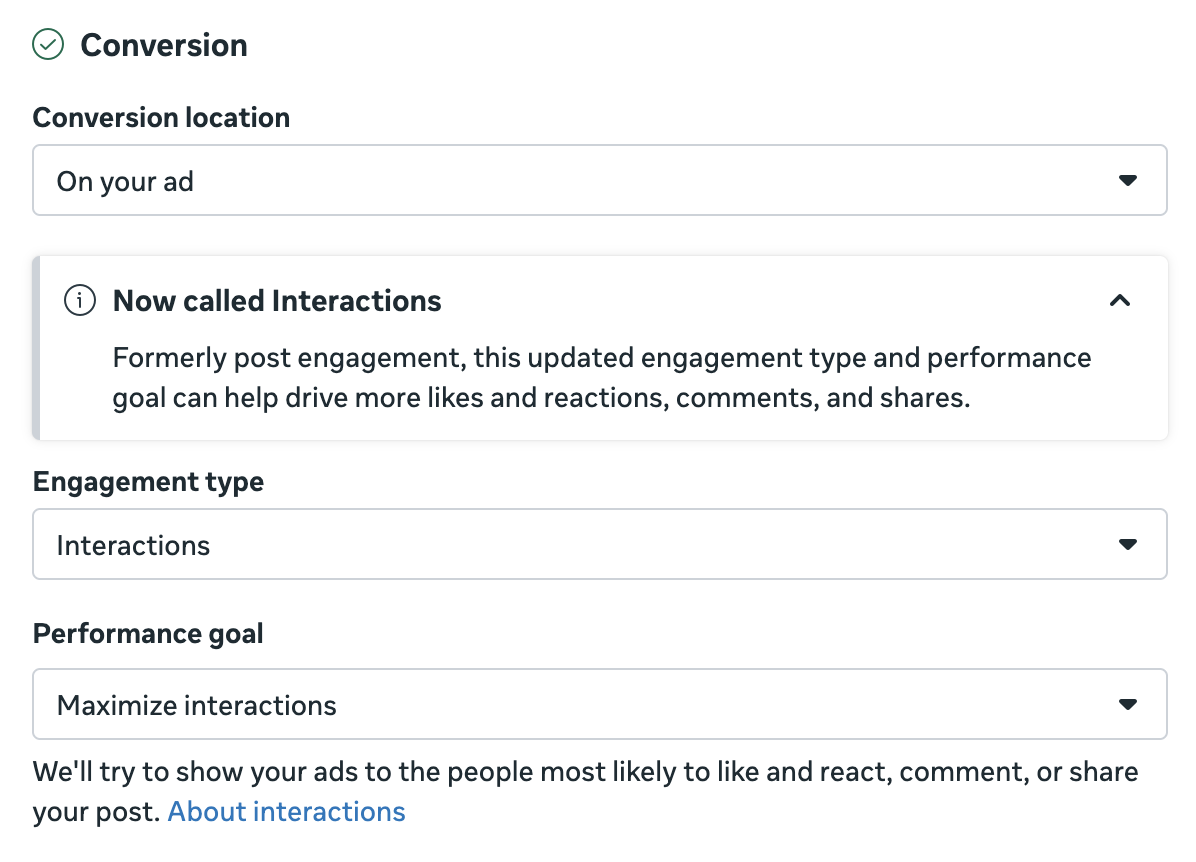
This is a change from the previous default for such a setup, which was Post Engagement.

This isn’t just a name change, which was my initial question (a question that could be answered by reading Meta’s note about the change).
Let’s take a closer look…
Interactions vs. Post Engagement
When using the Interactions performance goal, Meta says the following:
We’ll try to show your ads to the people most likely to like and react, comment, or share your post.
What’s interesting is that I found the old definition that was used in the same location for Post Engagement, and this is how Meta described it:
We’ll try to show your ads to the people most likely to like, share or comment on your post.
And that, my friends, is why I initially thought this was just a name change. But when you dig a little bit deeper, you’ll see what’s actually changing.
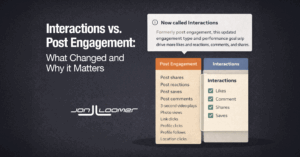
Meta’s definition for Post Engagement includes all of the following metrics:
- Post shares
- Post reactions
- Post saves
- Post comments
- 3-second video plays
- Photo views
- Link clicks
- Profile clicks
- Profile follows
- Location clicks
- Hashtag clicks
- Poll sticker clicks
But the definition for Interactions is this:
- Likes and reactions
- Comments
- Shares
- Saves
In fact, Meta is very clear that this is a change and that the eight other metrics listed under Post Engagement aren’t included in Interactions.

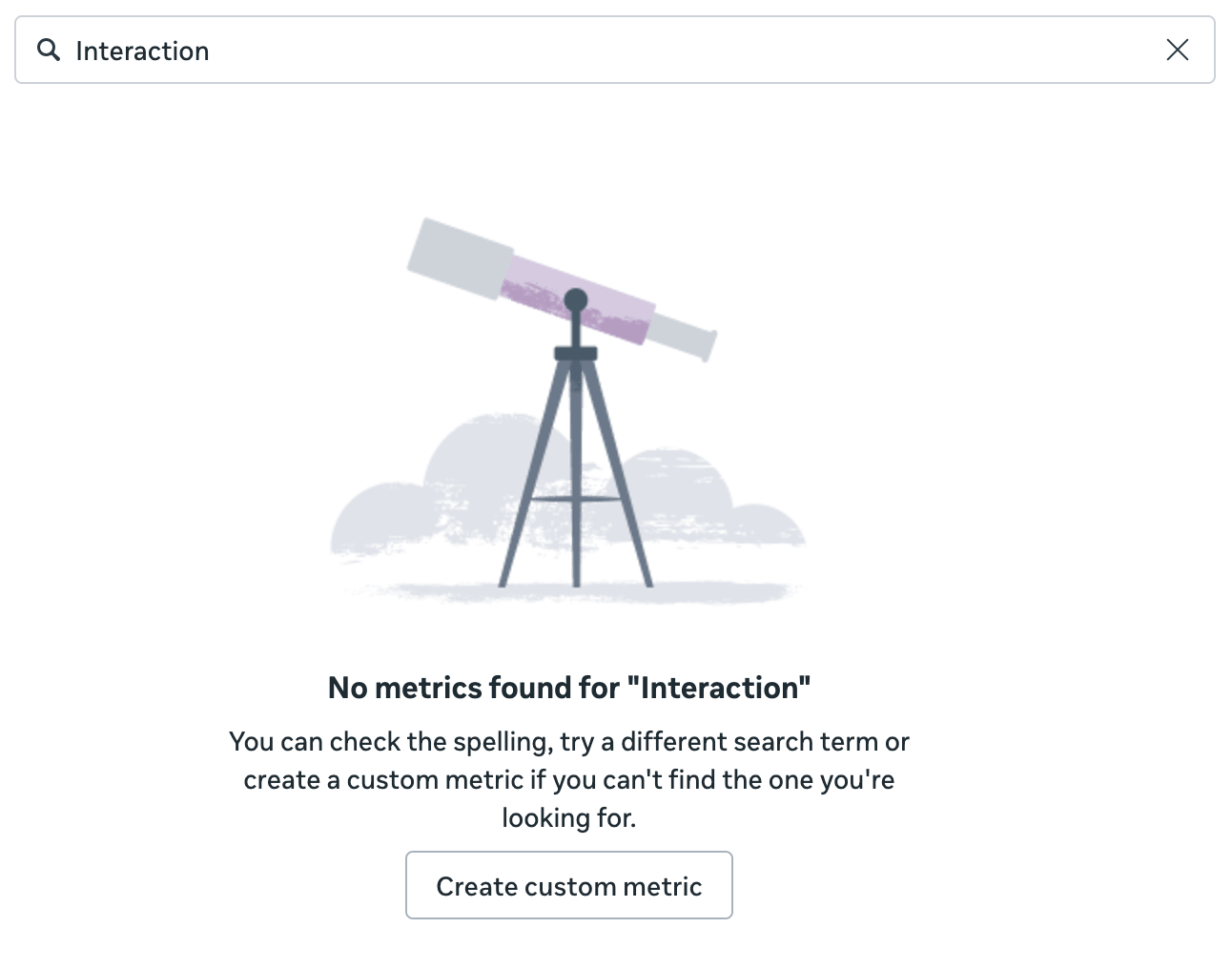
What’s confusing is that I’m not yet seeing an ads metric for Interactions, but that would presumably be what the Results column represents.
What This Means
If you’ve previously used the Post Engagement performance goal, just know that your results are likely to drop significantly when using Interactions. Particularly when running ads that feature a video, those 3-second views will add up in a hurry.
So you’ll see less volume, and the Cost Per Result will be much higher for Interactions. Reactions, comments, shares, and saves are still relatively low-barrier actions, so you should still get a decent number of them.
The bottom line is that this is a good thing. Optimizing for Post Engagement was an obvious risk since it’s so easy to get a high volume of low-quality actions. A post engagement simply doesn’t mean that much, particularly when it includes passive actions like 3-second views.
Interactions, while not on the level of a conversion, will represent a higher quality action.
Should You Optimize for Interactions?
Of course, that doesn’t necessarily mean you should be rushing to use this new option. Reactions and comments, in particular, may not even represent a positive interaction. People love using the “angry” emoji when reacting to ads they disagree with. And comments could easily be trolls or spam, and you’re telling Meta that you want more of that.
That said, two of the most valuable engagement types may be the Save and Share, and these will get higher priority without the noise of the extra engagement metrics. Still, there’s no guarantee that even these metrics will represent the quality interaction you expect.
Since the algorithm is literal, Meta will search out ways to get you the cheapest optimized actions possible. That’s not typically a problem for a purchase. But it can be for virtually any other action. Meta will exploit weaknesses related to placement, age group, location, bots, and more to get you more of those actions that you want.
I’m not saying I know of a specific source of low-quality saves and shares. But if there’s a weakness, the algorithm will find it.
So, is an Interaction better than a Post Engagement? Sure. It’s worth experimenting with, particularly if you’re limited on options. I just wouldn’t expect miracles.
Whenever possible, prioritize optimizing for conversions. It’s much easier to control quality so that you get the actions you’re actually wanting.
Your Turn
Have you experimented with the Interactions performance goal? What are you seeing?
Let me know in the comments below!
The post Interactions vs. Post Engagement: What Changed and Why It Matters appeared first on Jon Loomer Digital.