

A US Army Special Forces soldier accused of profiting from insider knowledge on the mission to capture Venezuelan leader Nicolás Maduro says a civil enforcement case against him should be dismissed.
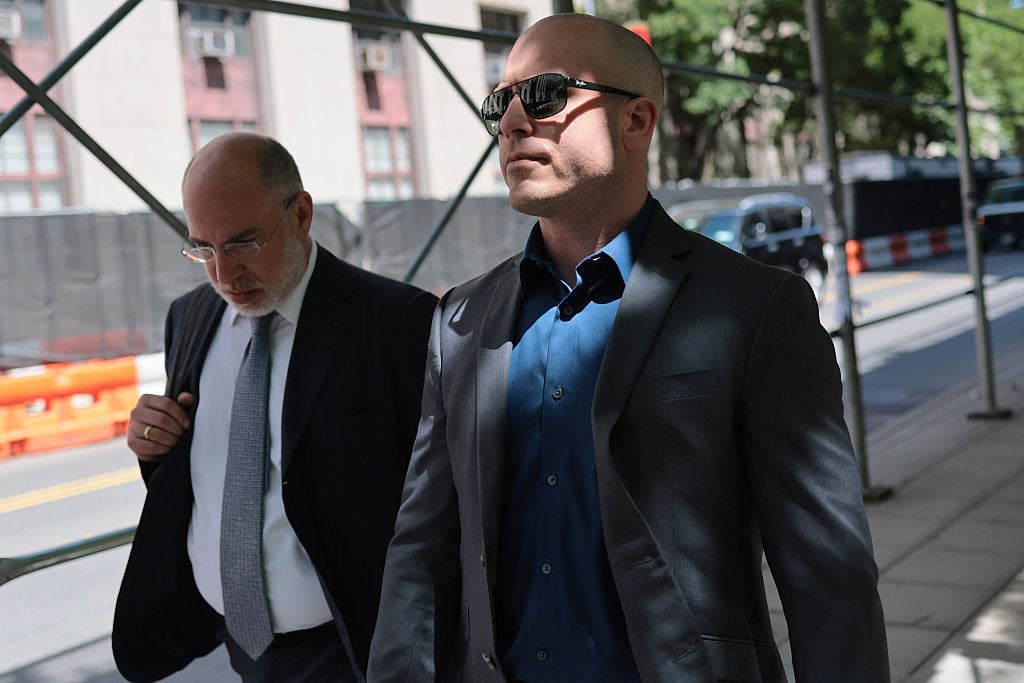
Master Sgt. Gannon Ken Van Dyke allegedly won $409,000 by trading $33,000 across several Polymarket contracts, including “Maduro Out by January 31, 2026?” and “US Forces in Venezuela?”
Days later, he was photographed aboard the USS Iwo Jima following Maduro’s capture, appearing in military gear with other personnel involved in the operation.
Van Dyke was indicted in April on criminal charges including theft of government information, commodities fraud, wire fraud, and money laundering.
He also faces a civil lawsuit filed by the Commodity Futures Trading Commission (CFTC), which alleges he violated federal commodities laws by using confidential government information to trade Polymarket event contracts.
Geopolitical Wagers
In a pre-motion conference letter filed this week, Van Dyke’s attorneys urged the court to dismiss the CFTC case on the basis that the Polymarket contracts were simply geopolitical wagers on whether Maduro would be removed from power rather than federally regulated financial instruments.
“Such geopolitical bets are not ‘swaps’ subject to the Commodity Exchange Act [CEA], and transactions concerning such event contracts cannot serve as a basis for liability,” the filing states.
Van Dyke also challenges the CFTC’s broad anti-fraud rule, arguing the agency exceeded the authority granted by Congress when it adopted the regulation and therefore cannot rely on it in his case.
The argument strikes at the heart of prediction markets’ core legal theory that certain event contracts qualify as “swaps” under the CEA and therefore fall within the exclusive jurisdiction of the federal government.
It also piggybacks onto a wave of litigation from states across America who argue that prediction market contracts are sports bets or gambling propositions that should be regulated by state gaming authorities rather than federal commodities regulators.
Jury Out
The jury is out on the question. Courts have so far reached differing conclusions on whether such contracts qualify as swaps under the CEA.
Prediction market platforms such as Polymarket and Kalshi have come under increasing scrutiny from lawmakers and regulators over concerns that participants with access to nonpublic government information could exploit it for financial gain.
The criminal indictment alleges Van Dyke attempted to conceal both the source of his information and his connection to the trades.
Prosecutors say he tried to delete his Polymarket profile and changed the email address associated with his cryptocurrency exchange account after media reports highlighted the suspicious trading activity.
If convicted on all counts, Van Dyke faces a maximum statutory sentence of 60 years in federal prison.